



Frederick Powell
2017
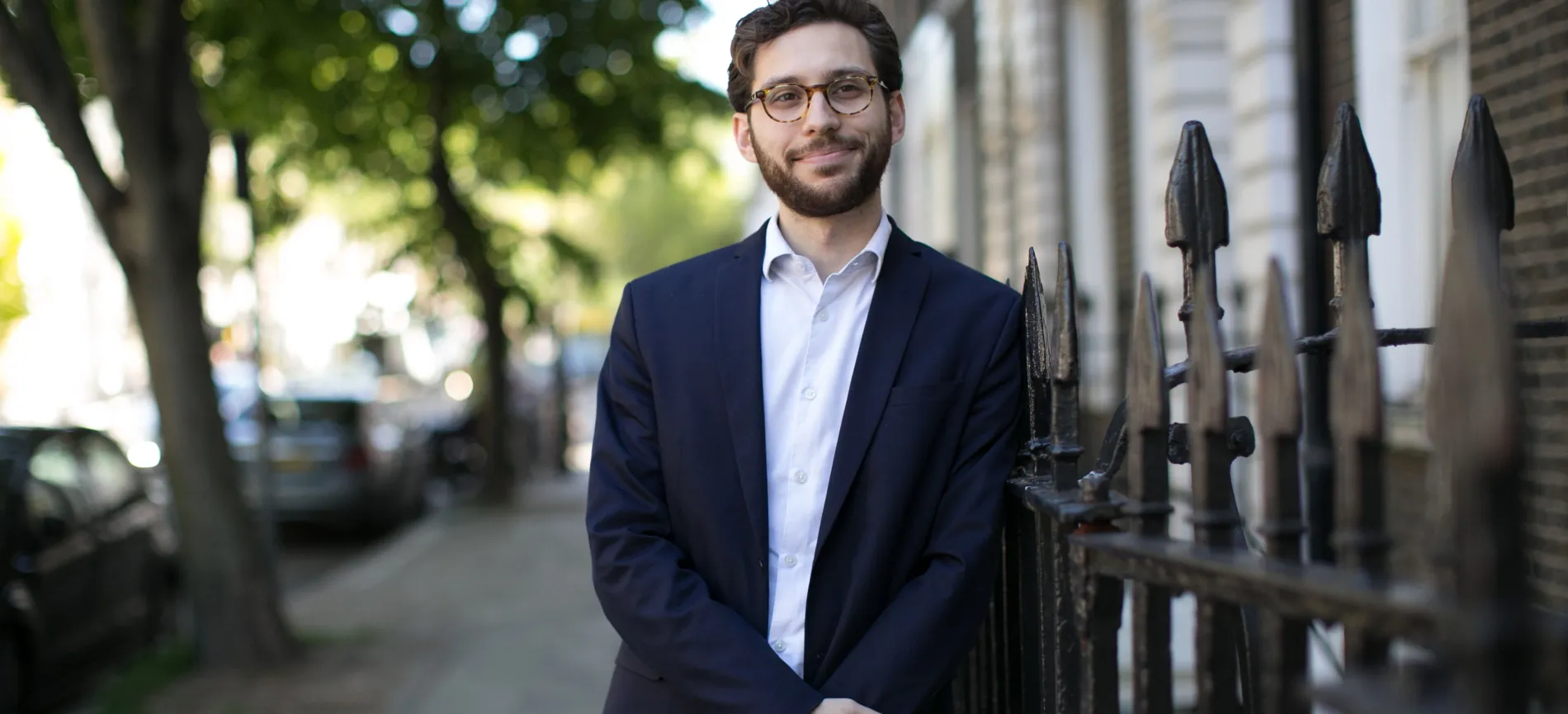
Frederick specialises in the fields of personal injury, clinical negligence and human rights, particularly inquests and actions against the police. He represents vulnerable claimants who have been subject to mistreatment at the hands of state and private organisations, helping them to obtain redress through a range of legal means, including civil claims, inquests, inquiries, and judicial review.
He is an experienced trial lawyer, regularly appearing in complex multi-track proceedings as sole counsel. He also has experience of working as part of a team in large cases.
He is regularly instructed in high-value claims arising from catastrophic injuries, where the pleaded value runs to six or seven figures. He has been instructed in high-profile cases, such as the Post Office Horizon Litigation, the Katerina Makunova Inquest, and group litigation claims such as the Primodos Case (regarding hormone pregnancy tests which are alleged to have caused devastating birth defects).
In Legal 500 2024, Frederick is ranked as a “rising star”, and is described as 'incredibly enthusiastic, hard working, and focused. He is very easy to work with and has excellent client care skills.'
In Legal 500 2023, Frederick is also ranked as a “rising star”, and is described as “very committed and hardworking, and very good with the clients”, and having “very good legal knowledge – [his] analysis of the issues and knowledge of the material was excellent, and this led to his advocacy being clear and focused.”
In addition, Chambers and Partners 2023 ranks him as an “up and coming barrister” with “notable expertise on restraint deaths”. He is described as a “highly capable advocate and legal analyst” who is “very thorough and gets on top of a very large quantity of detail”, and is a “pleasure to work with”.
Frederick represents bereaved families in coronial proceedings and has experience well beyond his call in this area, having acted in several complex and high-profile inquests (see below). He is ranked as a “rising star” by Legal 500 2023 in recognition of his work in this area.
He was Counsel for the family in the first post-Maughan conclusion of ‘unlawful killing’ on the balance of probabilities after a five week inquest.
He successfully obtained the rare finding of neglect from a jury in a recent prison death case.
He has expertise in successfully resisting novel arguments about the ‘disapplication’ of Article 2 ECHR.
He cases have resulted in numerous Prevention of Future Death Reports, both to local and national bodies such as NHS England and the Home Office.
Because of his other areas of expertise, he is particularly suited to inquests into deaths following medical treatment (inside and outside clinical settings), deaths of those in state detention, death at the hands of police and security guards, and deaths at work.
JB (2020): A death of a young man following restraint by security staff, where the Coroner concluded that he was killed by unlawful act manslaughter, either by one person or by joint enterprise. This is thought to be the first occasion that a coroner has returned the conclusion of unlawful killing following the change to the civil standard of proof established by the Supreme Court in R (Maughan) v HM Senior Coroner for Oxfordshire [2020] UKSC 46. Coverage of the Inquest can be found on the BBC, Daily Mail, Sun, ITV, Mirror, Independent, Metro.
KM (2021): A domestic homicide of a 17 year-old girl by her ex-partner, following multiple reports to the police prior to her death from the victim and her family about the perpetrator’s escalating behaviour. The Inquest established that KM was killed unlawfully in the context of significant investigative and safeguarding failures by the police and social services. Coverage in the Times, BBC, the Sun, the Independent, the Evening Standard, the Daily Mail, the Mirror, ITV.
MT (2021): A death of a hospital patient who was restrained by a ‘bedwatch’ security guard in the presence of clinical staff. Patient had complex medical issues which had affected his behaviour. The Inquest established that medical mismanagement caused the death and that the patient was unlawfully killed by the security guard (by unlawful act manslaughter). Coverage by Inquest here.
AR (2019): A high-profile, two-week, Article 2 jury inquest into the death of a prisoner where the jury found that medical staff had caused the prisoner’s death by their neglect. The inquest prompted multiple referrals to professional disciplinary bodies, a Prevention of Future Deaths report being sent to the head of NHS England, and admissions of fundamental systemic failings by the responsible NHS Trust. This inquest raised also raised novel legal issues regarding juror eligibility.
DA: An Article 2 jury inquest into the death of a young prisoner who killed himself following threats made against him by other prisoners and potential failures to provide appropriate mental health care and attention. This wide-ranging inquest is set to address the flawed interactions between the disciplinary and the healthcare side of the prison.
MN: An Article 2 jury inquest into the death of a middle-aged man who was taken into custody, presumed intoxicated. His condition deteriorated in custody and he suffered multiple episodic seizures ultimately resulting in a cardiac arrest and death. Custody staff, including custody sergeants, detention officers and healthcare all failed to spot tell-tale signs of the deceased’s head injury, and demonstrated a conspicuous disregard for the relevant protocols for assessing the condition of detainees. Frederick is being led by Fiona Murphy, Senior Counsel.
BP (ongoing): Advising regarding coronial procedure in relation to deaths which occur foreign jurisdictions where a body has not been recovered.
PW (2019): Inquest into the death of a middle-aged man from a myocardial infarction. The deceased had undergone electrocardiograms (ECG) on and prior to the day of his death. The nursing and medical staff who reviewed the ECG had ignored indicators of the impending silent ischaemia. The Coroner made critical findings about the assessments carried out by the nurse and the anaesthetist. The case raised complex issues of medical evidence, both in relation to the standard of treatment and whether it contributed to the deceased’s death, given that the deceased had a long and complicated medical history.
NS (ongoing): Inquest into the death of a middle-age woman with bi-polar disorder who was sent to prison despite presenting in a highly concerning manner. As a result of her mental instability, she refused to comply with her medication, including that which had been prescribed to address her elevated blood pressure. She suffered a heart attack shortly afterwards. The Family contend that the mental and physical health assessments were inadequate leading to the decision to send her down the custodial pathway and in relation to the medical care and attention she received once in prison.
PM (2019): An Article 2 Inquest with a Jury about a man, known to suffer epileptic seizures, who was released from custody without his anti-epileptic medication. He suffered a seizure minutes after his release from custody and drowned in a ditch. The main disputed issue was whether the failure to provide anti-epileptic medication had caused the partial seizure that precipitated the deceased’s collapse.
PK (ongoing): Inquest into the death of a neonate due to perinatal asphyxiation. Complex obstetric evidence regarding the final stages of the pregnancy and whether the outcome was avoidable.
AZ (2021): Article 2 Inquest regarding a patient who hung himself from a ligature whilst on an acute mental health ward. The Jury found that there was a “serious failing” by the Trust to identify and remove the hinge posed a “significant risk” to patients, and that the observation of and engagement with the patient was inadequate. Both failings were found to have contributed to the deceased’s death.
DC (ongoing): Inquest regarding death of a middle-aged man at his home hours after a visit by mental health services and a previous suicide attempt.
TH (ongoing): About the death of a patient with schizophrenia who was admitted to A&E and allowed to leave without proper observation or assessment. About an hour afterwards, he was fatally struck by a lorry in the road.
JE (2019): Inquest arising from the death of a middle-aged woman who jumped from a building days after a consultation with a GP regarding her worsening mood. The Coroner recorded a narrative conclusion and summarised that the deceased was known to have chronic depression but was never referred to community mental health services even though it would have been appropriate to do so.
RA: About a patient sectioned with an eating disorder who died from malnutrition whilst detained under the Mental Health Act.
AS (2020): Frederick represented family of a child who was killed by his mother in relation to systemic and operational failings in the local child social care system.
JB (2019): Inquest into the sudden death of a six-month year old infant who was found lying motionless next to his intoxicated mother. The inquest focused on the immediate circumstances of the baby’s death, including whether overlaying had occurred, as well as the broader question of whether social services should have intervened earlier to protect the child from the mother who was known to pose a risk to her children due to her mental instability, substance misuse, and neglect.
MA: Article 2 inquest into the death of a builder who fell through a roof. Raises complex issues regarding compliance with health and safety legislation.
Frederick deals with a wide range of personal injury claims, including cases with an international dimension. He specialises in high-value catastrophic injury claims arising out of employers’, occupiers’ and public authority liability, as well as road traffic accidents. He has expertise in dealing with Claimants who lack mental capacity, the terminally ill, recently bereaved, and cases involving minors.
Frederick has considerable trial experience for someone of his call, having acted as leading counsel in several high profile inquests and associated civil claims. Frederick is currently instructed to represent a group of emergency service personnel who sustained complex psychiatric and physical injuries during and after their attendance at the Grenfell Tower Fire in 2017: Hart & Others v Royal Borough of Kensington and Chelsea and Ors (Claim No: QB-2020-002010).
Frederick is regularly instructed in RTA litigation, including fatal, high-value, and MIB cases. His work covers the whole spectrum of injury ranging from tetraplegia claims to brain injuries, amputations, chronic pain and fatal accidents.
He takes a pro-active approach to his work: preparing case plans and helping to tactically steer the claim through the whole litigation process wherever needed, including drafting, advising in conference, liaising with liability and medical experts and drafting the most detailed schedules of loss.
In a recent case, he helped secure a six figure settlement for a client who sustained neuropathic pain following an accident.
Frederick has considerable experience of claims against public authorities. For example:
Abuse claims. Against the police, social services and other public authorities, where the perpetrator posed an identifiable risk to the victim. Including potential DSD-type claims for breach of Article 3 ECHR. Currently acting on behalf of Katerina Makunova’s mother in her claim against the Metropolitan Police for failures to protect her daughter from her killer. Also acted in claims against public authorities for failures to prevent sexual abuse of children, securing significant settlements.
Care home negligence. Fatal and non-fatal claims. Relating to nursing and non-nursing care. Wide range of injuries, including traumatic injuries, pressure ulcers, osteomyelitis, mental health problems. Recently helped secure a settlement of £60,000 following chronic neglect of resident leading to pain, suffering, and long-term injury.
Assault claims. Against individuals and employers. Representing the mother of Jack Barnes in claim regarding his death following restraint by security staff contracted to patrol a train station in Manchester. Special expertise in complex legal issues regarding non-delegable duties and vicarious liability – published article here.
Claims against local authorities, NHS Trusts, police forces for negligence and/or breach of Article 2 ECHR, many arising out of inquests.
Frederick does a full gamut of occupiers’ liability cases from routine trips in supermarkets and restaurants to catastrophic injuries occurring at swimming pools, beaches, schools and leisure centres.
Frederick has experience in dealing with claims against individual householders and against all sizes of businesses, independent contractors, and large public bodies. He has also acted in numerous cases where corporate bodies have entered liquidation/administration.
Frederick regularly acts for employees in relation to the work-related incidents and stress, harassment, and bullying induced injury claims. Recent cases include construction site falls, factory machinery accidents, and assaults by fellow employees. He has particular expertise in dealing with allegations of contributory negligence in these cases.
Frederick has experience handling the recognised occupational disease claims, ranging from asbestos to stress and chronic pain syndromes, including carpal tunnel syndrome, trigger finger, de quervains, as well as “RSI”. He was recently instructed in a show cause hearing in the High Court in a high-value mesothelioma claim.
Frederick is regularly instructed in civil actions against the police for malicious prosecution, false imprisonment, unlawful detention and assault. He also has experience with pursuing claims for damages under the Human Rights Act 1998 and the Equality Act 2010.
Frederick has been instructed as junior counsel in the high-profile Post Office Horizon civil litigation on behalf of the sub-postmasters who were falsely convicted when the Post Office provided misleading information about the Horizon accounting software. For press coverage of the case: BBC, Sky News. Or see the Panorama documentary and the BBC Radio 4 series ‘,The Great Post Office Trial’.
Frederick has considerable experience in bringing actions arising from failed or defective police investigations, particularly in relation to sexual abuse and domestic violence (including domestic homicide). Many of these cases involve claims for breaches of the procedural duty under Article 3 ECHR.
He is currently instructed to represent the mother of a 17-year old girl/woman who was killed by her ex-partner: Makunova v Metropolitan Police Service. In that case, the Metropolitan Police received multiple reports from the victim and her family before her death about the perpetrator’s escalating behaviour. This case has been reported in the Times, BBC, the Sun, the Independent, the Evening Standard, the Daily Mail, the Mirror, ITV.
He is also instructed in Hill v Chief Constable of West Midlands Police, a case regarding serious alleged misfeasance in public office by a police officer relating to the destruction of evidence. The case also raises complex legal issues regarding causation in HRA claims. Coverage in The Sun, Daily Mail, Mirror, Metro, The Times, Express & Star.
In another case, a £50,000 settlement has been agreed for breaches of the procedural obligations under Article 3 arising from failures to investigate complaints of sexual abuse.
Frederick has been instructed in several cases involving the inappropriate use of tasers by the police. In two cases, the electroshock has caused long-term injuries. Many of these cases have raised issues of racial and other forms of discrimination.
Frederick has co-authored a chapter on discrimination for the upcoming LAG book on discrimination law in respect of public authorities.
He represents claimants who have been the subject of discrimination by the police and has succeeded in claims for racial discrimination in relation to stop and search, false imprisonment, and assault.
He has also represented claimants who have been subjected to disability discrimination. In Watson v Chief Constable of Humberside Police, it is alleged that the police used excessive force against a 60 year old man with schizophrenia who was experiencing an acute mental breakdown.
He is currently represented in a religious discrimination case regarding a Sikh man who was repeatedly arrested and detained by police for wearing a Kirpan outside his clothing: Singh v Chief Constable of West Midlands Police.
Frederick’s expertise in injury work means that he is well-placed to act in cases involving complex and serious injuries following, for example, the use of police force. He is adept at testing the expert evidence in conferences and court and in drafting complex Schedules of Loss in such cases. In a current AAP case, he has drafted a schedule pleaded at £1.6 million.
Frederick has acted in numerous claims arising from deaths in police custody. In Needham v Chief Constable of Northumbria Police, Mr Needham died in police custody after suffering seizures relating to alcohol. The case settled in the region of £90,000.
He was instructed in a case against the police for granting bail to an individual who had a known history of deliberately transmitting HIV within the gay community, and went on to become the first person to be jailed for deliberately infecting men with HIV in the UK.
Recently, he was instructed in a case against the police for a failure to conduct a proper investigation into a vulnerable child who was abducted by her radicalised brother and taken to Egypt in 2014. At this stage, the Frederick is involved with directing police to re-open the investigation into the abduction in order to determine whether the child is still alive. This is an extremely wide-ranging case which raises complex legal issues in relation to extradition, investigations in to child abduction, terrorism and radicalisation, inquests into deaths which occur in foreign jurisdictions where a body has not been recovered, and international policing protocols.
Frederick acts on behalf of claimants in complex and high value claims arising out of spinal brain injury, catastrophic injury, and birth injury, and presently instructed in several claims with special damages pleaded at six or seven figures. He has represented claimants who lack mental capacity, the terminally ill, recently bereaved, and minors. He has amassed considerable experience in cross-examining expert witnesses from medical inquests.
He takes a pro-active approach to his work: preparing case plans and helping to tactically steer the claim through the whole litigation process wherever needed, including drafting, advising in conference, liaising with liability and medical experts and drafting the most detailed schedules of loss.
Recent cases include:
Spinal injuries. He is currently acting as sole counsel in Smith v Cardiff and Vale UHB and Aneurin Bevan University Health Board, a case concerning alleged failures to diagnose and treat an epidural abscess, resulting in significant, sustained, and irreversible neuropathic pain, which has interfered with the patient’s ability to work and care for themselves.
Nerve damage. He is sole counsel in a case about an alleged negligent injection of a steroid into a patient’s hand, causing permanent nervous damage. The case raises an interesting legal issue about the applicable counselling standard for a patient with only one functioning hand (prior to the injection).
Stroke and neurological conditions. He acted as junior counsel to Robin Oppenheim QC in a case where a patient suffered a stroke as a result of negligent advice to a patient with a haematological condition to refrain from taking her regular anticoagulation treatment. This case raised complex issues of causation because there were four competing theories about the cause of the stroke. This required evidence from multiple disciplines (including stroke physicians, cardiologists, general practitioners, haematologists, and clinical pharmacists). The case also raised a novel legal point regarding the scope and relevance of contributory negligence in the medical negligence context, as it was alleged that the patient had failed to take certain steps which would have reduced the risk of her stroke.
Gastrological and intestinal illness. He is advising on the merits and quantum in a complex case about a prisoner who died as a result of a perforated peptic ulcer which led to intra-intestinal sepsis. At the inquest, Frederick persuaded a jury that there were significant failures by medical and nursing staff to diagnose, treat, and refer this patient to hospital which caused his death.
Appellate work. Frederick acted as junior counsel on the appeal of the decision in Bass v Ministry of Defence [2020] EWHC 36, a test case about whether soldiers who contracted Q-Fever whilst posted in Afghanistan should have been provided with appropriate chemoprophylaxis. Permission is presently being sought for a “leapfrog” to the Court of Appeal due to the public importance of this case.
Respiratory conditions. Frederick is currently acting in a high-profile claim regarding a man who suffered a respiratory arrest following restraint by private security guards. The case involves expert evidence from a wide range of disciplines (seven at present) in order to ascertain the cause of death.
The scope of the duty of care. He is currently advising on an important case concerning whether and in what circumstances the children of a patient with a genetic disorder are owed a duty of care by their parent’s doctor.
Catastrophic birth injuries. Frederick has assisted or acted as junior counsel to Robin Oppenheim QC on several cases where antenatal and postnatal care were sub-standard, resulting in permanent and severe brain damage to the child. Frederick assisted by providing detailed analysis of the medical notes, drafting pleadings, formulating questions to the medical experts, and doing the interlocutory applications to resolve procedural issues.
Failed and delayed diagnosis. He has settled pleadings and advised on the merits in relation to a claim for failure and delay to diagnose a penile injury resulting in significant pain and loss of sensation.
Suitability of care and treatment for mentally unwell persons. Frederick is currently instructed in a claim against a GP for her failure to refer a middle-aged woman with chronic depression who committed suicide to community mental health services prior to her death, or to provide her with suitable medication. This claim involves complex issues of breach (the risk of self-harm increased incrementally over a two-year period) and causation (to ascertain whether treatment and referral would have made a sufficient and timely difference to the Claimant’s mental health).
Cardiological-related injury or illness. Frederick is currently acting as lead counsel in a claim against a Hospital which failed to diagnose abnormalities in a patient’s heart, resulting in a myocardial infarction (heart attack). This claim involves complex and competing expert evidence about the clinically significant warning signs of a myocardial infarction.
Plastic and cosmetic surgery. Frederick advised on the quantum in relation to cosmetic alterations to a person’s face and body following a serious car accident.
Epileptic seizures. Frederick is acting in one claim in which an undiagnosed head injury acted as the focal point for a partial tonic-clonic seizure, resulting in a cardiac arrest and death. In another claim, the individual suffered an epileptic seizure after healthcare staff in custody failed to arrange for the prescription of anti-epileptic medication or management of the condition in hospital.
Dental injuries. He has acted in a case regarding dental injuries sustained during an operation under anaesthetic.
Frederick specialises in public inquiries and inquests. He has been instructed as sole and junior counsel in high profile and complex inquests, including where Counsel for the Inquest has been instructed (Jack Barnes Inquest). He is ranked as a “rising star” by Legal 500 2023 in recognition of his work in this area.
He has considerable experience of working within a large team, having done so as part of his group litigation practice. As junior counsel, he has helped manage large groups of claimants in relation to the ongoing civil litigation against the Post Office and the litigation against pharmaceutical companies regarding hormone pregnancy drugs (Primodos Litigation).
His expertise in healthcare, negligence, and injury law mean that he is skilled at analysing expert evidence and questioning of expert witnesses.
Frederick has experience of a wide range of information law issues under the General Data Protection Regulation (GDPR), the Data Protection Acts 1998 and 2018, the Freedom of Information Act 2000. He has particular expertise in claims involving Articles 8 and 10 of the ECHR, and claims involving law enforcement agencies.
Recent cases involve allegedly unlawful disclosures of information by the police and the crown prosecution service to the ex-partner of a victim of domestic violence: YG v CC of Sussex Police and Crown Prosecution Service. He is also instructed with Fiona Murphy on a case regarding a man who was subjected to a brutal machete attack following the deletion of important evidence, contrary to the DPA 2018 and GDPR, by a police officer tasked with protecting him and investigating his case: Hill v CC of West Midlands Police.
Frederick is currently instructed to represent a group of emergency service personnel who sustained complex psychiatric and physical injuries during and after their attendance at the Grenfell Tower Fire in 2017: Hart & Others v Royal Borough of Kensington and Chelsea and Ors (Claim No: QB-2020-002010).
He has recently been instructed in the litigation regarding hormone pregnancy tests which were given to women in the 1950s to 1970s, and which allegedly caused a range of devastating birth defects in their children. Due to his expertise in medical negligence litigation, he was tasked with analysing complex medical evidence and drafting the individual particulars of claim (detailing the injuries suffered by the claimants as a result of the drug). For press coverage, see Sky News, Sun, Guardian, Times,
He worked on the high-profile Post Office Horizon civil litigation on behalf of the sub-postmasters who were falsely convicted when the Post Office provided misleading information about the Horizon accounting software. For press coverage of the: BBC, Sky News. Or see the Panorama documentary and the BBC Radio 4 series ‘,The Great Post Office Trial’.
He has previously advised a group of small businesses regarding business interruption insurance and whether those insureds will be covered for losses caused by the impacts of the Covid-19 pandemic.
Frederick has experience advising and acting for claimants across a wide range of employment law matters, including claims for discrimination, whistleblowing, blacklisting, and unfair dismissal. He has particular experience with cases combining employment and personal injury issues.
Frederick recently returned from a secondment at the Rail, Maritime and Transport workers’ union (RMT), where he advised members on a range of industrial disputes.
He is currently advising on several cases regarding disciplinary action (including dismissals) of employees arising from a refusal to attend work because of workplace safety concerns in relation to the COVID-19 pandemic. In one such case, he is litigating the issue of indirect discrimination by association, which is likely to be of relevance for future claimants (where, for example, they have reason to be concerned about putting family members at risk of infection).
Recently, he was instructed in a case concerning discrimination and blacklisting of a gay employee as a result of his sexual orientation, which raised complex data protection issues.